At the Edge of Lewisville Lake, a Small Reptile Is Teaching the City Something Big
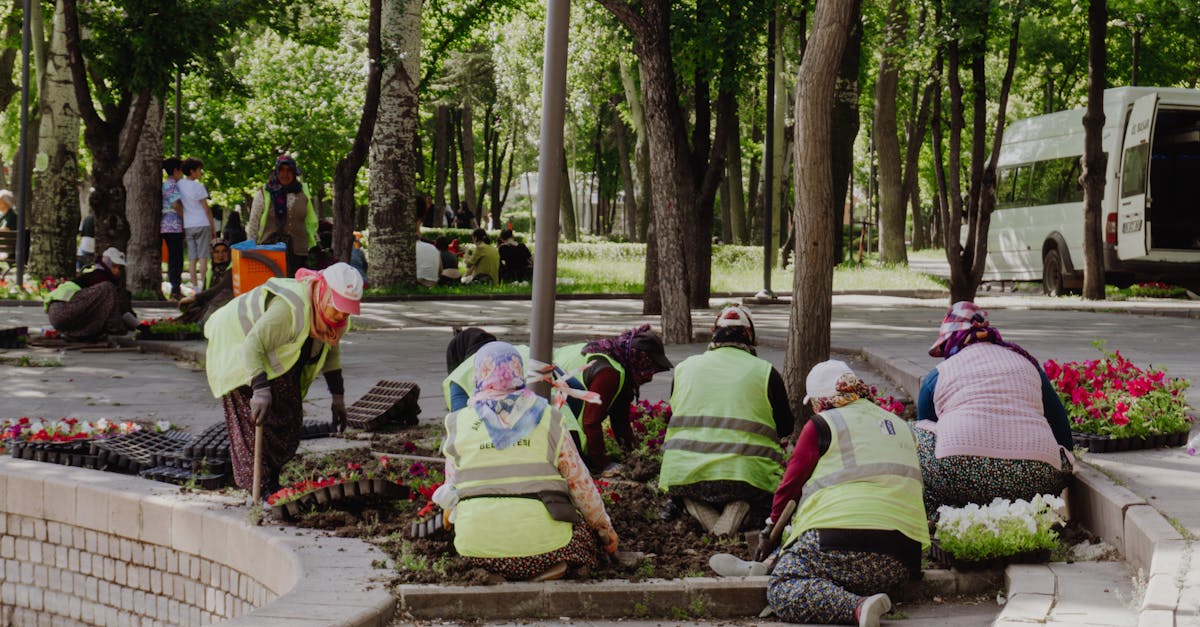
Friends of LLELA brings box turtle biology to life at the nature preserve's education building on Sept. 26, 2026.
Friends of LLELA brings box turtle biology to life at the nature preserve's education building on Sept. 26, 2026.

On a late-September morning at the edge of Lewisville Lake, before the heat has had a chance to settle into the grass, the nature preserve at 201 East Jones Street will already be alive with the sounds of people walking slowly, looking down, and noticing things they would normally step right past. That particular quality of attention — patient, low to the ground, unhurried — is exactly what the Lewisville Lake Environmental Learning Area has always asked of its visitors. On September 26, 2026, from 10 a.m. to noon, it will ask it again, this time in the focused context of a single animal that most people have seen but few could accurately describe.
The program is called “The Box Turtle: A Surprisingly Complex Creature,” and it is hosted by Friends of LLELA in the preserve’s education building. The title is not ironic. The box turtle, a species that shares the land with Lewisville residents in more intimate proximity than most people realize, turns out to be a genuinely strange and layered animal once you get past the familiar image of a dome-shaped shell pulling shut at the approach of a boot.
LLELA — the Lewisville Lake Environmental Learning Area — spans 2,000 acres on the shores of Lewisville Lake, making it one of the most substantial natural areas within reach of any city in North Texas. That size is worth pausing on. In a region defined by rapid development, traffic corridors, and suburban buildout that continues to push in every direction, 2,000 acres of preserved shoreline and habitat is not a minor amenity. It is a civic decision, held in place across decades, about what kind of city Lewisville wants to be alongside its more obvious identities as a growing municipality in the Dallas-Fort Worth corridor.
The preserve runs educational programming throughout the year, and the fall calendar has historically been one of its most active periods. The September 26 morning also includes a separate guided outdoor event beginning at 9:30 a.m., meaning visitors inclined to spend a full morning in the field can move from a structured walk to an indoor deep-dive on the box turtle without ever having to leave the property. That kind of programming layering is deliberate at LLELA, where the philosophy has long been that environmental education works best when it moves between direct experience and structured learning.
But the box turtle program, run through the education building and connected to what LLELA staff describe as “turtle hotels” on the grounds, has a particular focus that sets it apart from a general nature walk.
The North American box turtle is not a threatened species in the way that attracts headlines, but it is a creature under considerable quiet pressure. It is highly sensitive to habitat fragmentation — the kind produced, specifically, by suburban expansion. Unlike many animals that adapt to human land use with some flexibility, the box turtle tends to remain loyal to a home range it has established, sometimes over decades, and does not navigate new barriers well. Roads, in particular, are dangerous precisely because the turtle will attempt to cross them in the same places it has always traveled, regardless of what has been built since.
A single box turtle can live for more than a century under favorable conditions. They reach sexual maturity slowly, meaning populations that lose adults faster than they are replaced take a long time to recover. They are omnivores with complex dietary patterns that shift across their lifespans. The hinge on their plastron — the bottom shell — allows them to seal shut with a precision that impressed early naturalists and still impresses people who encounter it for the first time in the field.
None of this is hidden information, but it is information that rarely travels from scientific literature into the kind of casual familiarity that changes how people behave in their own yards and on their own streets. That gap is where programs like the one at LLELA do their actual work.
The reference to “turtle hotels” in the program description points to one of the more distinctive features of LLELA’s approach to wildlife education. The preserve maintains dedicated habitat structures designed to support box turtles on the grounds, giving participants in the September 26 program a chance to move from the education building to a real encounter with the animals they have just been learning about. That sequence — concept, then contact — is considered best practice in environmental education, and it is not something every urban nature center can offer.
For Lewisville families, and particularly for children who grew up with Lewisville Lake as a backdrop to their childhoods without ever spending much time in the preserve’s interior, the turtle hotels represent a small but concrete entry point into the kind of ecological thinking that tends to be sticky. Kids who crouch next to a box turtle in the field at ten years old and understand something real about its biology remember that encounter.
Fall at the preserve carries a specific quality distinct from the rest of the year. The lake, which draws heavy recreational traffic through the summer months, settles into something quieter. The light changes. Migratory species begin moving through. The box turtle, for its part, is active in the fall in ways connected to its preparation for winter dormancy — foraging, sometimes traveling, making the kinds of movements that make September and October good months to observe them.
The programming calendar at LLELA reflects an awareness of these seasonal rhythms. The October 1 outdoor event, running from 10 a.m. to 1 p.m., continues the fall programming sequence for visitors who find their way to the preserve after the September dates have passed. Together, these events form something more than a series of individual programs. They represent a sustained attempt to keep a community in conversation with the natural system it borders.
Lewisville is, by any measure, a city in motion. Its population has grown steadily, its commercial corridors have expanded, and its identity continues to be negotiated between its older downtown character and its newer suburban scale. In that context, the existence of a 2,000-acre nature preserve with active public programming is neither guaranteed nor incidental. It is something the city chose, and continues to choose, by supporting the infrastructure and the partnerships — including Friends of LLELA — that keep the programming running.
The box turtle program will not make headlines the way a festival does. It will not draw tens of thousands of people. What it will do, on a Saturday morning at the edge of the lake, is put a specific creature in front of a room of Lewisville residents and ask them to slow down long enough to understand something they share the city with. That has always been the premise of LLELA’s work, and it remains one of the more quietly valuable things this city offers its people.
The September 26 program runs from 10 a.m. to noon in the LLELA Education Building. No admission or registration details were listed at time of publication; visitors should check the official LLELA calendar for current information before heading out.
Restaurant reviews, events, and local news from Lewisville, delivered weekly.
The week's top local news & events, free in your inbox. No spam — unsubscribe anytime.